Drug Or Alcohol Abuse Burial Insurance
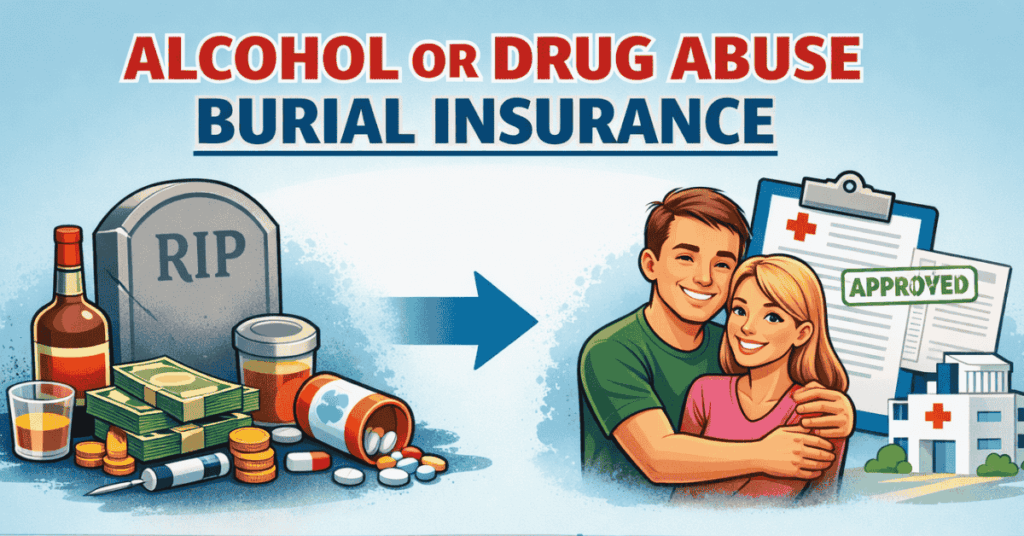
Drug or alcohol abuse doesn’t automatically disqualify you from burial insurance, but applying the wrong way can cost your family thousands. These drug or alcohol abuse-approved policies I help people with pay out quickly to cover burial or cremation costs, or provide a tax-free legacy for your loved ones.
Drug Or Alcohol Abuse Burial Insurance Key Insights
- The 24-Month Sobriety Milestone: If you have been sober and out of treatment for at least two years, you can typically qualify for level plans. This means your family is protected with first-day coverage and the lowest possible rates.
- Medications Act as a Treatment Sign: Using prescriptions like Suboxone, Methadone, or Antabuse tells an underwriter that you are currently in an active phase of recovery or maintenance. While these meds help you stay healthy, most carriers view them as a reason to move you into a waiting-period plan rather than offering immediate coverage.
- Transparency Prevents Claim Denials: Being honest about your history on the application is the only way to guarantee a payout. If you are truthful from the start, the insurance company cannot use your past as an excuse to deny a claim later.
- Recent DUI or Legal Hurdles: A recent driving record with multiple offenses or ongoing legal trouble can result in a temporary decline in first-day coverage. It is often better to wait for your record to clear or use a specialized carrier that ignores driving history.
- Organ Health Impacts Pricing: While a history of use is manageable, physical complications like cirrhosis or kidney damage may shift you toward a guaranteed issue plan. Locking in a rate before health issues worsen ensures your family isn’t left with a massive funeral bill.
I have seen many carriers expand their immediate-coverage options for people who have their substance history under control. Most people will find they can qualify for an affordable and instant-approval policy if they have remained stable for a few years.
Drug Or Alcohol Abuse Medical Definition & Health Risks
Underwriters evaluate the severity of substance use by reviewing your sobriety dates, the type of substances used, and your history of treatment or relapses. Drug or alcohol abuse is a chronic condition where using certain substances causes physical harm or legal trouble, and insurers use the date of your last medical treatment to determine when you have reached a sufficient period of health stability to qualify for coverage. Poor control leads to liver failure, brain damage, or frequent hospital stays that make insurers nervous.
I often look at your last inpatient stay or rehab date because that number tells the carrier if you are a safe bet or a high risk.
Drug or Alcohol Abuse Underwriting Basics
- Testing & Test Results: Carriers search your medical records for “clean” results and check for any pending liver function tests. Controlled history means you have stayed sober for at least 2 years, while uncontrolled history involves recent relapses or ongoing detox visits.
Medication stability over time reduces the insurance company’s perceived mortality risk, often allowing you to qualify for better coverage.
- Why it Matters: Your prescription history shows the carrier that you are taking your recovery seriously. Stable use of maintenance drugs helps me move you into a better price bracket so you pay less every month.
Drug or Alcohol Abuse Prescription Medication Classes:
- Alcohol Antagonists: Drugs like Antabuse help you avoid a relapse by making the body sensitive to alcohol.
- Opioid Maintenance: Prescriptions like Suboxone or Methadone keep you stable while you manage a past addiction.
- Craving Suppressants: Meds like Naltrexone or Campral reduce the urge to use so you can stay on the right path long-term.
Drug or Alcohol Abuse with Comorbidities
Insurers evaluate co-occurring health profiles to determine how the interaction between substance use and physical ailments increases your overall insurance risk. Because substance use often leaves a mark on your body in the form of liver disease, kidney damage, or heart problems, underwriters carefully review these secondary conditions to assess the total impact on your long-term health and mortality risk. Insurers care about these issues because they suggest your body is wearing out faster than it should.
If you have these problems plus a recent DUI, it narrows your choices to specific companies that specialize in second chances. I know which carriers look past your mistakes and which ones will slam the door in your face.
Controlled drug or alcohol abuse is still a big issue for getting 1st-day coverage, and that’s not including any secondary health issues.
Other Common Health Issues With Drug Or Alcohol Abuse
Drug or alcohol abuse disrupts normal brain chemistry and organ function, leading to physical, psychological, and social complications that can impair judgment, damage vital organs, and affect underwriting decisions and policy selection when these related issues are present.
- Liver disease – Chronic use damages liver cells, leading to fatty liver, hepatitis, cirrhosis, and liver failure.
- Cardiovascular problems – Substance use increases risk of high blood pressure, heart rhythm disorders, and heart attacks.
- Cognitive impairment – Memory loss, poor concentration, and slowed thinking interfere with daily functioning.
- Mental health disorders – Depression, anxiety, and mood instability frequently coexist and worsen outcomes.
- Increased injury risk – Impaired coordination and judgment raise the likelihood of accidents and trauma.
- Withdrawal complications – Sudden cessation can cause seizures, hallucinations, or life-threatening reactions.
- Immune system suppression – Reduced immune response increases infection frequency and severity.
- Gastrointestinal issues – Chronic use causes ulcers, pancreatitis, and digestive bleeding.
- Social and occupational impairment – Work instability, legal issues, and relationship strain are common.
- Higher mortality risk – Long-term substance abuse significantly increases risk of early death.
Understanding Drug Or Alcohol Abuse Policy Types
Carriers offer different plan categories based on an applicant’s drug or alcohol abuse and their long-term health stability.
- Level: Level burial insurance offers first-day coverage and pays the full death benefit from day 1. If you have been sober for over 2 years, I can usually get you into a top-tier plan with Aflac, Trinity Life, or Family Benefit Life.
- Graded: Graded burial insurance limits benefits during the 12 to 24 months for health or medical-related causes of death. I recommend Guarantee Trust Life for folks with a more recent history of treatment, as they are much more flexible.
- Guaranteed Issue: Guaranteed issue burial insurance requires no health questions but includes a 2-year waiting period before it pays out for causes of death related to health or medical conditions. Gerber Life is the best choice if you are currently dealing with severe organ failure.
Sample Drug Or Alcohol Abuse Rate Snapshot for $10,000 Coverage
Insurers use age-based pricing to determine premiums, with rates increasing for every year you wait to apply. It is important to see that rates vary by both age and gender because women generally have a longer life expectancy, which allows them to secure lower monthly costs than men of the same age. Women statistically live longer, so their rates tend to be slightly lower than men’s.
Here are some preferred rates, but your specific price may change depending on which A-rated carrier best fits your recovery history.
TRINITY LIFE & FAMILY BENEFIT INSURANCE RATES AGE 50–85
| AGE | $10,000 | $15,000 | $20,000 | $25,000 |
|---|---|---|---|---|
| 50 | F: $21 M: $27 | F: $31 M: $39 | F: $40 M: $52 | F: $50 M: $64 |
| 55 | F: $26 M: $32 | F: $38 M: $47 | F: $49 M: $62 | F: $61 M: $78 |
| 60 | F: $32 M: $41 | F: $47 M: $61 | F: $62 M: $80 | F: $77 M: $100 |
| 65 | F: $41 M: $53 | F: $60 M: $79 | F: $79 M: $104 | F: $99 M: $130 |
| 70 | F: $52 M: $69 | F: $76 M: $102 | F: $101 M: $135 | F: $126 M: $169 |
| 75 | F: $71 M: $96 | F: $106 M: $143 | F: $140 M: $190 | F: $175 M: $237 |
| 80 | F: $104 M: $145 | F: $155 M: $217 | F: $207 M: $288 | F: $258 M: $360 |
| 85 | F: $155 M: $192 | F: $231 M: $287 | F: $307 M: $382 | F: $384 M: $477 |
Rates may vary by age, gender, health status, and state. Click the form on this page for the lowest rates from the best carriers.
Drug or Alcohol Abuse Underwriting & Medication History
Insurers use your prescription history to confirm that your medical condition is stable and that you are consistently following your treatment plan. Showing a carrier that you have followed your doctor’s orders for a long time is a key factor in getting approved, as it provides objective evidence that you are proactive in managing your health and reducing long-term risk. If your medication routine has stayed the same for years, the underwriter sees a stable person instead of a high risk. They will do a quick background check on your prescriptions to verify exactly when you last had a crisis.
Your prescription history is how the insurance carriers verify medical stability. Recent hospitalizations for crises trigger postponement rather than permanent decline.
| Health Profile | Coverage Type | Wait Period |
|---|---|---|
| Sober 2+ Years | Level (Day 1) | None |
| Recent Treatment | Graded | 2 Years |
| Organ Failure | Guaranteed Issue | 2 Years |
Real Life Drug Or Alcohol Abuse Success Stories
Real-world examples illustrate how people with drug or alcohol abuse secure first-day protection.
Thomas Story:
Thomas sat at my kitchen table last month with a 3-year history of sobriety from alcohol. He felt sure his old DUI and some minor liver scarring would make his rates skyrocket or force a waiting period. I helped him apply with Trinity Life because I knew they would reward his 3 years of hard work. He got a $15,000 policy with first-day coverage that fits his budget perfectly. Now his family will have the cash they need for his cremation without draining their savings.
Sarah Story:
Sarah had only been out of drug treatment for about 18 months when we spoke. She assumed she was stuck with a raw deal because she had not hit that 2-year magic number yet. I placed her with Guarantee Trust Life because they offered her a graded plan that covers her right now. We locked in her price today, so her family is protected. Once she clears that 2-year sobriety mark, I will help her switch to a cheaper plan.
Drug Or Alcohol Abuse Financial Ratings & Stability
Insurers use financial ratings to prove they have the capital reserves and liquidity necessary to fulfill death benefit claims for their policyholders. By working only with carriers that maintain an “A” rating or higher from A.M. Best, you are ensuring that the company has an excellent ability to meet its long-term financial obligations and will be stable enough to pay the bill when your family needs it most.
These scores prove the carrier has the cash to pay your claim without any drama. I also look at the BBB to make sure they treat families with respect during the hardest days of their lives.
Insurance Carrier Ratings & Comparisons
| Carrier | A.M. Best | BBB | NAIC Complaints |
|---|---|---|---|
| Aflac | A+ (Superior) | A+ | Low |
| CICA | B++ (Good) | A+ | Low |
| Colonial Penn | A (Excellent) | A+ | High (300% Above Avg) |
| Family Benefit Life | A+ (Superior) | A+ | Low |
| Guarantee Trust Life | A (Excellent) | A+ | Low |
| Senior Life | Not Rated | A+ | High (300% Above Avg) |
| Trinity Life | A+ (Superior) | A+ | Low |
Frequently Asked Questions: Drug Or Alcohol Abuse Burial Insurance
Can you get burial insurance if you have a history of drug or alcohol abuse?
Most final expense insurance companies approve applicants with a history of substance abuse because they offer specialized plans designed to look past previous lifestyle mistakes. I have talked to thousands of people who thought their past struggles made them uninsurable for the rest of their lives. Honestly, it just does not make sense to leave your kids with a $15,000 funeral bill when carriers offer state-regulated policies for people just like you. While the big-name companies you see on TV commercials might turn their nose up at your history, I use carriers that focus on your health today. You can secure a permanent policy that ensures your family receives the cash they need without a medical exam.
Does a history of substance abuse disqualify you from immediate coverage for burial insurance?
The length of your sobriety determines your benefit type, and many insurance carriers grant first-day coverage once an applicant reaches the two-year recovery milestone. You do not always have to wait for your protection to kick in, but the calendar remains the boss in this situation. If you have stayed sober and out of rehab for at least 24 months, the insurance company will usually offer a Level benefit plan. It is like paying for a full gallon of milk: you pay the premium and your family gets the full check starting today. If your recovery is brand new, a plan with a waiting period still provides a vital safety net for your spouse and kids.
Will burial insurance pay out for a death caused by a drug overdose or alcoholism?
Truthful applications guarantee a payout for any cause of death once the policyholder passes the initial two-year contestability period. Here is the part they do not tell you in the commercial: the insurance company must pay the claim if you provided an honest application on day one. If a person passes away from an overdose after the policy is 2 years old, the company sends the check to the family without a fight. But if you hide your history and pass away during the first 24 months, the company will dig through every medical record they can find. Telling the truth from the start prevents the insurance company from finding a reason to stiff your kids in the event of a tragedy.
How long must you be sober to qualify for the best burial insurance rates?
Extended recovery periods lower your monthly insurance costs by qualifying you for preferred pricing tiers reserved for stable applicants. If you have stayed clean for more than 2 years, the insurance company starts to view you like any other healthy applicant on the block. I can often qualify someone for the same low, age-based pricing as someone with no history of abuse. It is the “Math of the Heart”: every dollar you save on your monthly premium is another dollar you leave behind for your spouse or your grandkids, rather than paying a convenience tax to a corporate giant.
Do burial insurance companies check for medications like Suboxone or Methadone?
Insurance underwriters perform a quick background check on your prescriptions to identify maintenance medications that may signal an ongoing recovery process. I perform this check before we even send the application to ensure we pick the right carrier for your needs. If the company sees Methadone or Suboxone in your records from the last 24 months, they will usually decline a request for first-day coverage. These drugs tell the underwriter that you are still in the early stages of a high-risk recovery. In that case, I move you to a plan that ignores those specific meds so your family still has a guaranteed policy for your final expenses.
Can a DUI or drug-related arrest affect burial insurance eligibility?
Recent legal issues influence your risk category, though older driving records rarely impact your ability to qualify for a permanent policy. One mistake from 5 years ago will not ruin your chances of protecting your family. But if you have multiple recent DUIs, the insurance company sees a lifestyle risk that they do not like to gamble on. They worry you might have a fatal accident before they collect enough premiums to cover the claim. If your record is messy, searching for a carrier that ignores driving history ensures your spouse remains protected.
Does burial insurance cover chronic illnesses caused by long-term alcohol use?
Permanent life insurance policies cover chronic conditions like cirrhosis or heart disease once the policyholder clears the initial two-year waiting period. If past alcohol use caused lasting health damage, you can still find a company that will accept the risk. You will likely have to take a modified plan with a two-year waiting period, but that is better than leaving your family with zero financial help. Once you clear those first 24 months, the company pays the full death benefit for any health issue. This ensures your family does not pay the ultimate price for your past health choices.
Is there a suicide clause for drug-related deaths in burial insurance?
State-regulated burial insurance policies include a mandatory two-year suicide clause that limits payouts to a refund of premiums if an overdose is ruled intentional. I have to be blunt here: if a drug overdose is ruled a suicide in the first 2 years, the company doesn’t have to pay out any death benefit. But after the policy celebrates its second anniversary, the cause of death does not matter anymore. Your family gets the full check even if the death was intentional, which provides a permanent and total safety net for your loved ones.
Can I get burial insurance for a family member struggling with drug addiction?
Insurable interest laws allow you to purchase a burial insurance policy for siblings or children to protect against their final expenses becoming your financial burden. Parents often buy a policy for a child who is still struggling with addiction to prevent a financial catastrophe later. You just need their consent and a simple signature to get the process started. A guaranteed issue plan is the smartest move here because it bypasses all the questions about their current lifestyle or drug use. Paying the premium now ensures you have $10,000 or $15,000 on hand for a funeral, so you don’t have to pass a hat during a tragedy.
What happens if I am not honest about my substance history on the burial insurance application?
Dishonesty on an insurance application results in a total loss of benefits if the insurance company discovers it during the contestability period. Lying to an insurance company is a massive mistake that puts your family’s future at risk. If you hide a rehab history and pass away in the first 2 years, the company will void the policy and leave your family with nothing but a refund. Honestly, it just does not make sense to take that risk when I can find you a plan that legally accepts your history. I would rather put you on a plan with a waiting period than have your family receive a denial letter instead of a check.
